The Artistry Behind Professional Photo Galleries: Crafting Visual Narratives
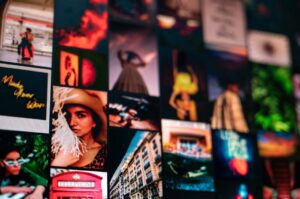
In an era where visual storytelling reigns supreme, professional photo galleries have evolved from mere collections of images to immersive experiences that captivate audiences. Whether displayed in physical spaces or online platforms, these curated compilations serve as windows into worlds both real and imagined.
For photographers and designers alike, creating a compelling photo gallery requires more than technical skill—it demands artistic vision, strategic curation, and a deep understanding of audience engagement. This guide explores advanced techniques that elevate ordinary image displays into extraordinary visual narratives.
Crafting Cohesive Visual Themes
A well-designed photo gallery begins with establishing a cohesive visual theme. This involves selecting images that share common elements such as color palettes, lighting conditions, or subject matter. A unified aesthetic ensures that viewers experience continuity rather than disjointed fragments.
Consider how each photograph contributes to the overall narrative. Does the composition maintain consistency? Are there recurring motifs or patterns that reinforce the intended message? These questions help ensure thematic coherence across the entire collection.
When curating your selection, pay attention to transitions between images. Smooth visual flow prevents jarring shifts that can disrupt immersion. For example, arranging portraits in chronological order might create a sense of progression through time.
Color theory plays a crucial role in maintaining cohesion. Using complementary colors or analogous schemes helps unify disparate shots while adding depth and dimensionality to the display.
- Consistency Check: Review every image against a defined style guide to ensure alignment with the chosen theme.
- Mood Matching: Select photographs that evoke similar emotional responses—whether serenity, excitement, or nostalgia—to enhance viewer connection.
Leveraging Spatial Arrangement for Impact
The arrangement of photos within a gallery space significantly influences how viewers interact with the content. Physical installations require careful consideration of wall spacing, hanging height, and directional flow, while digital layouts must account for screen resolution and navigation ease.
In traditional art museums, curators often use gallery pathways to guide visitors’ journeys. Similarly, web-based photo galleries can employ scroll direction and interactive features to direct user exploration effectively.
Grouping related images together creates natural viewing clusters that encourage deeper engagement. However, avoid overcrowding any single area which may overwhelm or confuse viewers trying to process information.
Differentiation is key when displaying multiple works by the same artist. Varying frame types, matting options, or placement strategies allows individual pieces to stand out without losing their collective identity.
Optimizing Gallery Layouts for Different Mediums
Physical galleries benefit from tactile elements like textured mats or archival-quality framing materials that add layers of sensory experience beyond sight alone. Digital formats offer opportunities for dynamic zoom capabilities and layered animations that reveal hidden details upon interaction.
Responsive design principles become essential when developing online photo galleries. Ensuring compatibility across devices—from mobile phones to high-resolution monitors—maintains consistent quality regardless of access method.
Statistical studies show that users spend approximately 60% longer engaging with visually organized content compared to randomly arranged visuals. Strategic layout decisions thus translate directly into enhanced viewer retention rates.
Implementing grid systems based on the golden ratio has been shown to increase perceived value among viewers. While not strictly necessary for all projects, applying mathematical aesthetics can subtly influence psychological perceptions of beauty and balance.
Elevating Technical Execution Through Post-Processing
Advanced post-processing techniques allow photographers to refine their work before inclusion in a gallery setting. From subtle exposure adjustments to complex compositing tasks, mastering software tools enables greater creative control over final output.
Layer masks provide non-destructive editing capabilities that preserve original files while allowing selective modifications. This approach proves particularly useful when working with mixed media compositions featuring multiple sources.
Preserving file integrity remains critical during extensive edits. Maintaining original RAW files alongside processed versions ensures flexibility for future revisions or repurposing content for different contexts.
Color grading becomes especially important when aiming for specific moods or eras. Subtle hue shifts can transform modern cityscapes into nostalgic retro scenes without compromising photographic authenticity.
- Non-Destructive Editing: Always save original files separately from edited copies to retain full editing potential at any stage.
- Batch Processing: Utilize automation tools to apply uniform settings across multiple images efficiently while retaining individual customization options.
Curating Content with Narrative Purpose
Beyond technical execution lies the fundamental aspect of storytelling—the heart of any meaningful photo gallery. Curated selections should convey clear messages or emotions rather than simply showcasing impressive imagery.
Developing a central thesis provides structure for the entire collection. This could involve documenting cultural traditions, exploring environmental changes, or capturing personal milestones that resonate universally yet specifically.
Sequencing plays a vital role in guiding viewer interpretation. Chronological ordering might be appropriate for historical documentation, whereas thematic grouping suits conceptual explorations better.
Variety within unity offers optimal engagement levels. Balancing diverse perspectives while maintaining overarching themes keeps audiences invested without feeling overwhelmed by excessive choices.
Enhancing Viewer Engagement Through Interactive Elements
Modern technology opens exciting possibilities for transforming static photo displays into interactive experiences. Incorporating touchscreens, augmented reality overlays, or motion sensors can dramatically alter how people engage with visual content.
Interactive timelines allow viewers to explore temporal relationships between images. When paired with GPS tracking data, this feature transforms flat representations into geographic journeys mapped across locations.
Augmented reality applications enable users to view additional contextual information without disrupting primary visual composition. Overlaying captions or historical notes digitally maintains clean presentation while enriching content depth.
Virtual reality integration takes immersion even further by placing viewers inside environments captured through photography. This technique redefines spatial perception, making distant landscapes feel intimately accessible.
- Touchscreen Navigation: Enables intuitive browsing gestures that mimic natural hand movements, improving usability across age groups.
- Sensor Integration: Motion detection can trigger audio descriptions or related content automatically as viewers move closer to particular exhibits.
Ensuring Accessibility Across All Users
Creating inclusive photo galleries means considering accessibility needs from initial conception through final implementation stages. Providing alternative text descriptions and adjustable contrast settings accommodates various visual impairments.
Audio descriptions complement visual content for blind or low-vision individuals. These narrations explain what’s visible in each photograph using descriptive language that captures essence and emotion effectively.
Text-to-speech functionality enhances comprehension for those who read differently but still want to access written information associated with exhibited works.
Adjustable font sizes and customizable color schemes empower users to personalize their viewing experience according to comfort preferences while preserving core artistic intent.
- Contrast Optimization: High contrast settings make images easier to perceive for individuals with reduced visual acuity.
- Tactile Components: Raised-line drawings or Braille labels provide physical references that supplement visual information for all visitors.
Measuring Success Through Analytics & Feedback
Tracking visitor interactions provides invaluable insights into what resonates most effectively within a given gallery context. Heatmaps reveal popular areas while dwell times indicate points requiring improvement.
Analyzing demographic data helps tailor future exhibitions to audience interests. Understanding peak visitation hours informs scheduling decisions regarding staff availability and resource allocation.
Gathering qualitative feedback through surveys or comment cards identifies subjective impressions that quantitative metrics might miss. Combining both approaches yields comprehensive evaluation frameworks.
Regularly updating analytics dashboards ensures continuous monitoring of performance indicators. Real-time data allows prompt adjustments that maximize impact throughout exhibition periods.
- User Behavior Analysis: Track click-through rates and page views to identify trending topics or underperforming sections needing revision.
- Feedback Loops: Implement structured questionnaires that ask open-ended questions about emotional resonance rather than simple yes/no responses.
Fostering Community Connections Through Shared Experiences
Photo galleries thrive when they foster genuine connections between creators and observers. Hosting live Q&A sessions or behind-the-scenes tours humanizes the artistic process and builds stronger bonds with audiences.
Encouraging social sharing amplifies reach by turning viewers into advocates. Including hashtags or dedicated social media accounts facilitates organic growth through word-of-mouth promotion.
Collaborative curation initiatives invite public participation in shaping future exhibitions. Soliciting suggestions or voting mechanisms empowers communities to contribute meaningfully to ongoing creative dialogues.
Establishing membership programs rewards loyal followers with exclusive previews or early access privileges that deepen investment in long-term engagement strategies.
- Community Events: Organize workshops or themed nights that bring people together around shared interests in visual arts.
- Interactive Exhibits: Design participatory installations where visitors leave traces of their own creativity alongside featured works.
Conclusion
Crafting exceptional photo galleries requires balancing technical precision with creative intuition. By focusing on thematic coherence, thoughtful arrangements, and innovative technologies, artists can transform simple image displays into profound visual experiences.
To begin your journey toward creating impactful photo galleries, start by defining a clear purpose for your collection. Then experiment with different organizational methods until you find the right combination that communicates your vision most effectively.

news is a contributor at CameRoll. We are committed to providing well-researched, accurate, and valuable content to our readers.