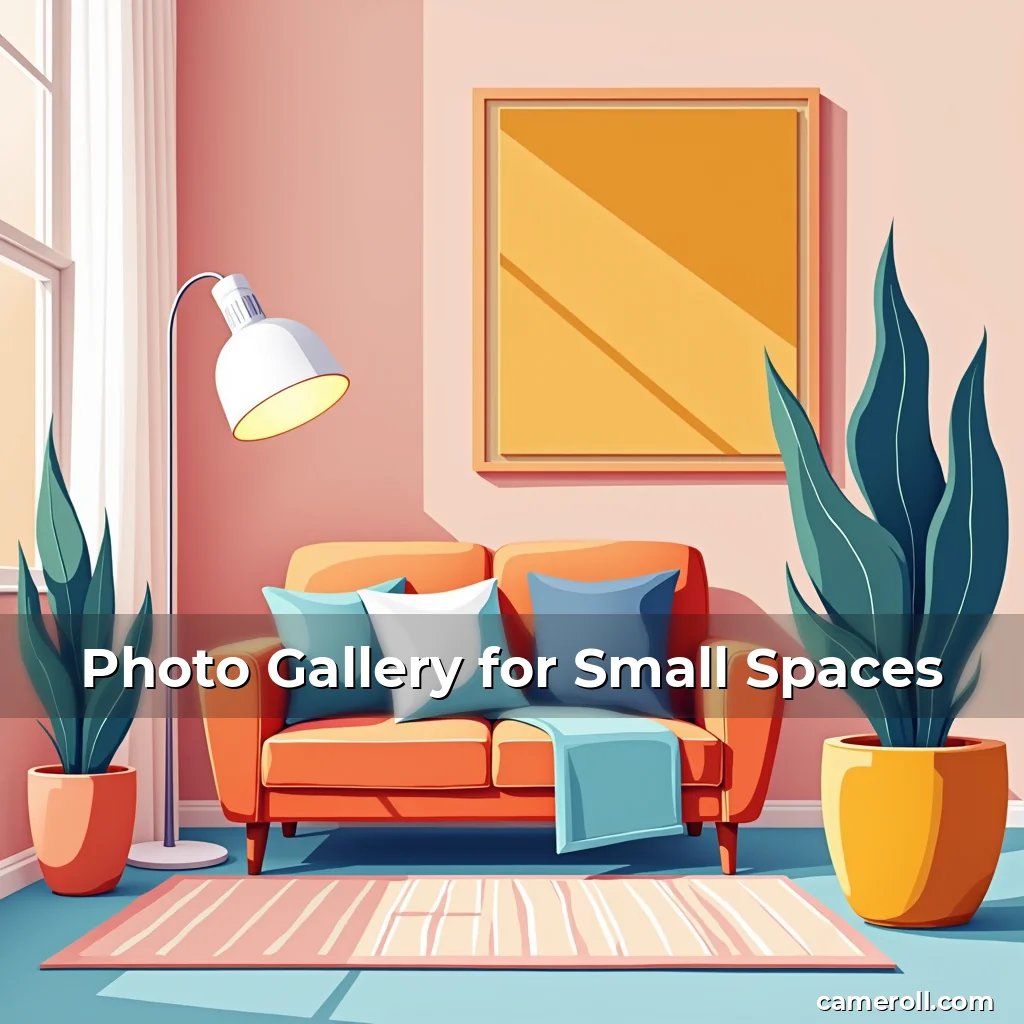
The Art of Curating a Photo Gallery for Compact Living Spaces
In an era where visual storytelling reigns supreme, transforming small spaces into captivating photo galleries has become both an art form and a practical solution for modern living. Whether you’re showcasing personal work, curating family memories, or displaying artistic collections, thoughtful curation can turn even the coziest corners into stunning visual experiences.
This guide explores innovative strategies to maximize space while maintaining aesthetic appeal, helping photographers and design enthusiasts alike create immersive environments that reflect their creative vision without sacrificing functionality.
Understanding Space Constraints in Photo Galleries
Compact living areas present unique challenges when establishing a dedicated photo gallery space. The primary concern revolves around balancing visibility with spatial efficiency, ensuring each photograph receives adequate attention without overwhelming the viewer.
Designers must consider not only physical dimensions but also lighting conditions, which significantly impact how photographs are perceived within confined quarters. Proper illumination becomes crucial to maintain image clarity and depth perception in limited areas.
Additionally, wall space allocation requires strategic planning. Every square inch counts in smaller rooms, necessitating smart organization techniques such as modular frames or vertical arrangements that optimize available surfaces effectively.
To address these constraints creatively, professionals often employ floating shelves or magnetic boards that allow for dynamic reconfiguration based on changing display needs. These adaptable solutions enable frequent updates without permanent alterations to interior architecture.
Color coordination plays another vital role in managing visual weight within tight confines. Neutral backdrops help photographs stand out while preventing the space from feeling cluttered or cramped through excessive contrast.
Strategic Layout Planning for Optimal Display
A well-thought-out layout serves as the foundation for any successful photo gallery, especially in compact settings. Begin by mapping out your available walls and identifying potential focal points that naturally draw attention within the room.
Consider the flow of movement across the space; avoid creating obstructions that could hinder navigation between displayed works. Strategic placement ensures viewers can comfortably engage with each piece without encountering awkwardly positioned artwork.
Mixing different frame sizes and orientations adds visual interest while allowing for flexibility in arrangement. This approach prevents monotony and keeps the exhibit feeling fresh over time.
- Varying heights: Alternate hanging levels to create dimensionality rather than uniformity
- Pacing techniques: Distribute pieces evenly to prevent overcrowding or empty stretches along walls
- Focal clustering: Group related images together to tell cohesive stories or highlight thematic elements
For particularly small rooms, incorporating multi-functional furniture doubles as display units while preserving usable floor space. Mirrored surfaces can also be employed strategically to visually expand the area while reflecting curated selections.
Lighting fixtures should complement rather than compete with photographic content. Soft ambient lights provide overall illumination, whereas focused spotlights accentuate key pieces without causing glare issues.
Creative Framing Solutions for Limited Wall Space
Traditional framing methods may not always be ideal for restricted environments, prompting designers to explore alternative approaches that enhance presentation without consuming excessive surface area.
Gallery wraps offer sleek alternatives by encasing prints within canvas borders, eliminating the need for bulky picture frames. These minimalist designs contribute to open, airy atmospheres perfect for intimate spaces.
Magnetic strips attached to walls serve dual purposes as both mounting systems and organizational tools. They allow for easy rearrangement of displays according to seasonal themes or evolving collections.
Leveraging window treatments presents yet another opportunity for integration. Sheer curtains treated with UV protection double as decorative elements while safeguarding delicate prints from fading due to sunlight exposure.
Suspended displays using tension rods or wire systems add three-dimensional aspects to two-dimensional artworks. Such installations create intriguing visual layers that enrich the overall experience.
Maximizing Vertical Surfaces for Enhanced Visual Impact
Vertical utilization represents one of the most effective ways to extend gallery capacity without expanding physical boundaries. Tall bookshelves transformed into display cases demonstrate this principle beautifully.
These structures incorporate glass panels that showcase items while maintaining accessibility for viewing purposes. Adjustable dividers ensure flexibility in accommodating various object sizes and shapes simultaneously.
Overhead track lighting mounted above these displays provides directional emphasis, drawing natural eye movement towards featured compositions regardless of surrounding distractions.
Incorporating rotating stands allows for continuous engagement by revealing new perspectives at regular intervals. This interactive element transforms passive observation into active exploration.
Combined with floating shelf networks extending outward from standard wall mountings, these setups create intricate patterns that guide viewers’ gazes organically through the entire collection.
Curatorial Techniques That Enhance Aesthetic Cohesion
Selecting complementary imagery forms the backbone of any compelling exhibition. Thematic consistency helps establish narrative threads connecting disparate visuals under unified conceptual frameworks.
Color theory principles apply equally well here, guiding choices regarding palette selection to ensure harmonious groupings rather than chaotic juxtapositions. Analogous hues produce soothing effects, while contrasting tones generate dramatic tension.
Temporal progression offers another powerful structuring device, arranging chronological sequences to narrate evolving stories or document developmental journeys across timelines.
Creating dialogues between individual pieces fosters deeper engagement, encouraging viewers to seek relationships among seemingly unrelated components. Thoughtful pairings elevate simple collections into meaningful conversations.
Layering mixed media enhances dimensional complexity, inviting tactile interaction alongside visual appreciation. Textured surfaces introduce sensory dimensions previously absent from purely pictorial presentations.
Lighting Strategies That Elevate Photographic Presentation
Proper illumination remains critical in small photo galleries where every shadow matters. Natural light sources should be harnessed carefully to avoid damaging sensitive materials while maximizing visible quality.
Track lighting systems offer precise control over spotlight intensity and direction, enabling tailored illumination suited specifically for each exhibited item’s characteristics.
LED strip lights installed behind framed works cast subtle backlighting that enhances edges without overpowering central subjects. Their low heat output makes them safer options compared to traditional incandescent bulbs.
Dimmable switches empower visitors to adjust brightness levels according to mood preferences or environmental conditions, adding versatility to fixed installation setups.
Reflective surfaces placed strategically amplify existing light sources, reducing dependency on artificial supplementation during darker hours. Polished metals and mirrored finishes act as optical amplifiers in confined spaces.
Innovative Storage Solutions for Organized Curation
Efficient storage mechanisms preserve both artwork integrity and ease of access, making them essential considerations in gallery planning. Custom-built cabinets designed specifically for photographic holdings provide secure containment while facilitating organized retrieval processes.
Rolling carts equipped with built-in compartments streamline transportation requirements, allowing for temporary exhibitions set up outside primary locations without compromising safety standards.
Hanging folders suspended from ceiling tracks offer lightweight yet durable means of storing flat files vertically instead of horizontally, conserving precious floor real estate typically consumed by conventional shelving systems.
Integrated climate control features within archival-grade containers protect against humidity fluctuations that could degrade paper-based mediums over extended periods.
Digital cataloging supplements physical records by providing searchable metadata catalogs accessible via mobile devices, enhancing research capabilities beyond mere inventory tracking functions.
Community Engagement Through Interactive Galleries
Transforming static exhibits into participatory experiences strengthens connections between creators and audiences, fostering greater emotional investment in displayed contents. Digital kiosks equipped with touchscreens invite users to interact directly with accompanying information texts or multimedia enhancements.
Augmented reality applications overlay virtual elements onto physical artifacts, unlocking additional layers of context usually hidden from view. This technology enables deeper understanding without requiring direct handling of fragile originals.
Interactive voting stations let guests influence future acquisitions by selecting preferred additions to ongoing rotations, turning passive observers into active contributors shaping collective tastes toward emerging trends.
Workshops held concurrently with exhibitions cultivate hands-on learning opportunities, demystifying technical aspects behind professional photography practices through guided instruction sessions led by industry experts.
Collaboration with local schools encourages youth participation through educational programs that integrate classroom activities with museum visits, nurturing early appreciation for visual arts disciplines among younger generations.
Conclusion
Curating a photo gallery in a small space demands ingenuity, balance, and careful consideration of spatial dynamics. By employing creative layouts, adaptive framing techniques, and intelligent lighting solutions, even modest interiors can transform into vibrant showcases of visual storytelling.
Whether you’re a photographer looking to share your portfolio or simply seeking to appreciate art in everyday life, these strategies will help you create a memorable and impactful photo gallery experience that respects both aesthetics and functional limitations imposed by compact living conditions.

news is a contributor at CameRoll. We are committed to providing well-researched, accurate, and valuable content to our readers.