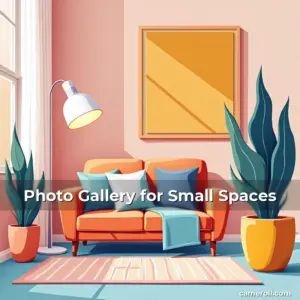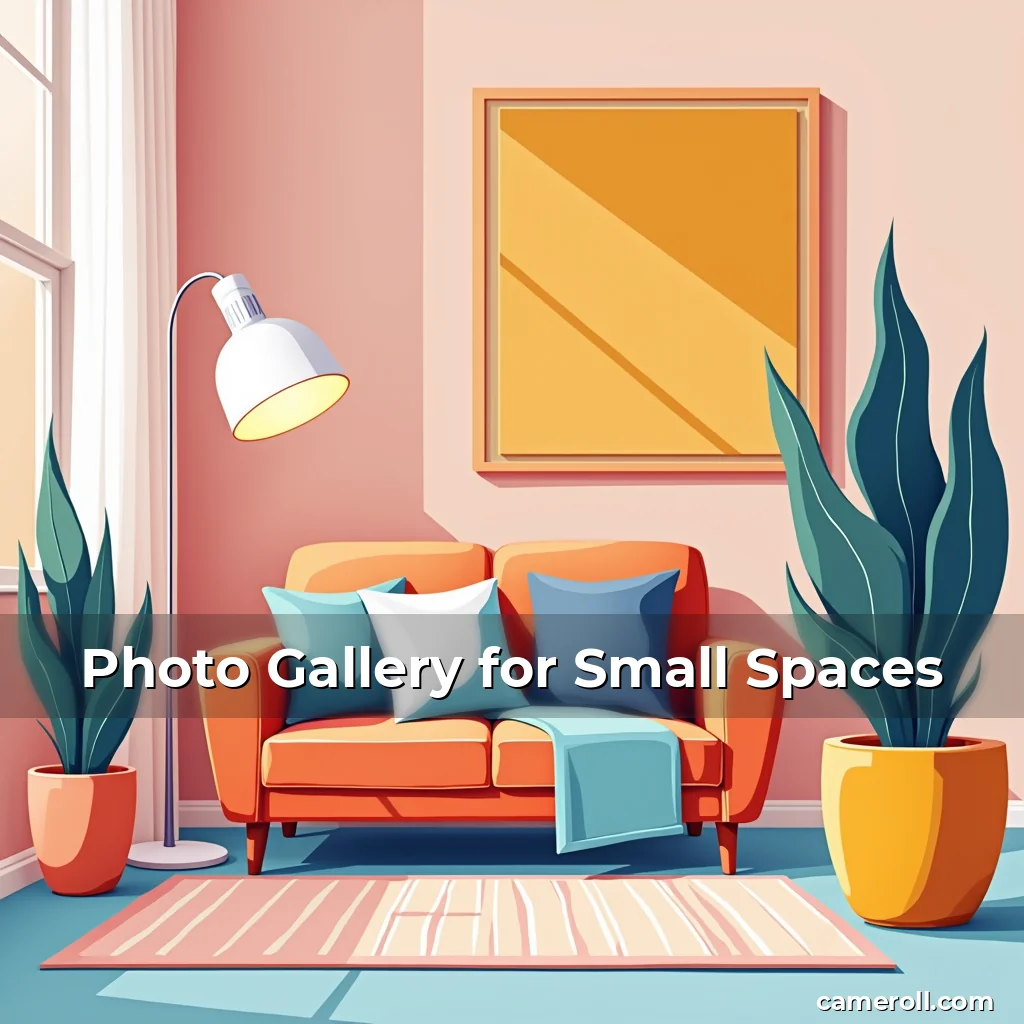
Photo Gallery for Small Spaces
In today’s digital age, photo galleries have become essential tools for showcasing visual stories, whether for personal memories, professional portfolios, or business promotions. However, when space is limited—be it in homes, offices, or online platforms—the challenge lies in creating an effective and aesthetically pleasing display without overwhelming the viewer.
This guide explores innovative strategies tailored specifically for small spaces, helping you maximize impact while maintaining clarity and organization. From physical layouts to virtual solutions, we’ll uncover techniques that turn even the most constrained areas into visually compelling photo displays.
The Power of Visual Storytelling in Limited Space
A well-curated photo gallery can transform any environment by telling a story through images. In compact settings, thoughtful curation becomes even more critical as each image must serve a purpose and contribute to the overall narrative.
Small spaces require deliberate choices about which photos are displayed and how they’re arranged. This intentional approach ensures that every frame adds value rather than cluttering the area with unnecessary visuals.
Visual storytelling thrives on emotional engagement. When selecting photographs for a confined space, prioritize images that evoke strong emotions or convey meaningful messages. These selections create lasting impressions despite minimal real estate.
Consider the flow between images in your gallery layout. Even within tight quarters, arranging photos in logical sequences—chronological order, thematic progression, or spatial continuity—can enhance viewer experience significantly.
- Selecting impactful imagery: Choose high-quality shots that align with your theme or message. Avoid overcrowding with too many similar subjects.
- Focusing on contrast: Utilize contrasting colors or lighting effects to make individual frames stand out against their surroundings.
- Maintaining balance: Distribute visual weight evenly across your space so no single element overwhelms others.
Creative Layout Solutions for Compact Areas
When working with limited square footage, creative layout designs can dramatically increase perceived space while still displaying your collection effectively. Experimentation with different configurations often leads to surprising yet functional arrangements.
Vertical wall space offers excellent opportunities for vertical photo displays. By mounting pictures along walls from floor to ceiling, you can create dramatic focal points that draw attention upward instead of outward.
Hanging photos at varying heights introduces dynamic interest. Rather than placing them uniformly, staggered placements add movement and prevent monotony in otherwise flat surfaces.
Using floating shelves provides versatility without consuming additional floor space. These minimalist supports allow for easy reconfiguration based on changing needs or seasonal themes.
Combining multiple mediums enhances visual appeal. For instance, pairing framed prints with digital screens creates layered experiences where static and interactive elements complement each other seamlessly.
- Wall-to-wall installations: Cover entire walls with carefully selected images to create immersive environments that envelop viewers in visual narratives.
- Modular systems: Invest in adjustable mounts and interchangeable frames that enable customization according to available space and evolving collections.
- Corner utilization: Make full use of less frequently used corners by installing diagonal or angled photo arrangements that optimize unused angles.
Optimizing Digital Photo Galleries for Online Presence
Digital photo galleries offer unparalleled flexibility but also present challenges related to usability and aesthetics. Ensuring optimal performance requires careful consideration of design principles adapted specifically for web-based formats.
Responsive design plays a crucial role in ensuring accessibility across various devices. A mobile-friendly interface allows users to explore your gallery comfortably regardless of screen size or orientation preference.
Loading speed affects user satisfaction significantly; therefore, optimizing file sizes without compromising quality remains vital. Compressing images intelligently helps maintain fast load times while preserving visual integrity.
Navigational simplicity improves engagement rates substantially. Clear menus, intuitive sorting options, and search functionalities help visitors find desired content quickly without frustration.
- Lazy loading implementation: Load images progressively as users scroll down pages rather than all at once upon initial page visit.
- High-resolution thumbnails: Provide clear previews that accurately represent larger versions while minimizing bandwidth consumption during initial visits.
- Accessibility features: Include alt text descriptions and keyboard navigation support to ensure inclusivity for all potential viewers.
Leveraging Technology Enhancements in Modern Galleries
Advancements in technology continuously reshape possibilities for both physical and digital photography exhibits. Integrating smart technologies enables richer interactions and deeper connections with audiences.
Interactive touchscreens provide hands-on exploration capabilities that traditional setups cannot match. Visitors can zoom in closely, view metadata instantly, or access related content effortlessly through simple gestures.
Augmented reality applications introduce new dimensions to viewing experiences. Overlaying digital information onto physical objects lets users see behind-the-scenes details or visualize alternate interpretations easily.
Artificial intelligence algorithms assist curators by analyzing visitor behavior patterns automatically. These insights inform decisions regarding what works best visually and emotionally for target demographics.
- Smart framing solutions: Automatically adjust picture placement based on ambient light levels or room occupancy detected via sensors integrated into display units.
- Voice command integration: Enable voice-controlled navigation for individuals who prefer auditory interaction over manual controls.
- Data analytics dashboards: Monitor metrics such as dwell time, click-through rates, and popular categories to refine future exhibitions strategically.
Budget-Friendly Techniques for Creating Impressive Displays
Creating stunning photo galleries doesn’t necessarily require expensive equipment or elaborate setups. Many cost-effective methods yield impressive results when executed thoughtfully.
DIY framing using affordable materials like cardboard or repurposed wood gives projects a personalized touch while keeping expenses low. Customization options abound with basic crafting supplies readily accessible at local stores.
Lighting adjustments can elevate ordinary displays considerably. Strategic use of directional lights highlights key pieces whereas soft ambient illumination maintains comfort throughout viewing sessions.
Paper collage techniques offer versatile alternatives to conventional framing styles. Layering printed photos atop textured backgrounds creates artistic compositions worth exploring further.
- Recycled materials reuse: Transform old magazines, newspapers, or packaging waste into decorative elements that reflect sustainability values simultaneously.
- Upcycling furniture: Convert outdated cabinets or dressers into storage units specifically designed for organizing photographic memorabilia efficiently.
- Free editing software: Utilize open-source graphic design programs available online to edit and prepare digital files before printing or uploading them digitally elsewhere.
Community Engagement Through Shared Photo Exhibitions
Shared photo exhibitions foster stronger community bonds by encouraging collective participation around common interests or shared histories. Such initiatives promote cultural exchange and social cohesion effectively.
Local libraries, schools, and community centers frequently host collaborative shows featuring amateur photographers alongside professionals. These events celebrate diverse perspectives under one roof while educating participants about exhibition standards generally accepted industry-wide.
Online platforms now facilitate global collaborations where contributors upload work remotely. Virtual gallery tours let people engage actively from anywhere worldwide simultaneously, transcending geographical limitations traditionally imposed by physical locations alone.
Participating in group exhibitions teaches valuable lessons about presentation skills including composition rules, color theory fundamentals, and audience analysis methodologies applicable beyond just photography itself broadly speaking.
- Themed competitions: Organize contests centered around particular topics such as nature conservation efforts or urban development changes witnessed firsthand locally.
- Workshops & seminars: Host educational sessions focusing on technical aspects ranging from camera operation basics up through advanced post-processing techniques suitable for beginners through seasoned experts alike.
- Social media campaigns: Leverage trending hashtags related to current issues facing communities globally to attract wider audiences potentially interested viewing submissions posted publicly therefor.
Preserving Memories: Archival Practices for Long-Term Storage
Proper archival practices protect precious photographic records against degradation caused by environmental factors over extended periods. Implementing these precautions safeguards legacy items for generations ahead securely.
Acid-free mats and UV-resistant glass shielding prevent chemical reactions damaging sensitive paper stocks commonly found among vintage film negatives especially those stored improperly previously.
Climate control systems regulate humidity and temperature fluctuations inside dedicated storage rooms specially constructed solely for housing delicate media types requiring stable conditions consistently maintained therein.
Digital backups stored redundantly across cloud services reduce risks associated with hardware failures threatening sole copies residing physically somewhere vulnerable perhaps susceptible natural disasters affecting premises located nearby.
- Microclimate regulation: Maintain consistent indoor temperatures below 68°F (20°C) paired with relative humidity levels ideally between 30%-50% recommended ranges determined scientific studies conducted long-term stability tests extensively.
- Multi-format duplication: Store originals separately from duplicates created either manually copied mechanically duplicated electronically replicated depending preferred method chosen based individual circumstances prevailing currently.
- Regular maintenance checks: Schedule periodic inspections assessing condition regularly inspecting visible signs wear tear damage occurring naturally aging process inevitably affecting all materials eventually regardless protective measures implemented beforehand initially.
Conclusion
Effectively utilizing limited space for photo galleries demands creativity combined with strategic planning. Whether managing physical constraints or navigating digital interfaces, understanding core principles guides successful implementations universally applicable contexts wherever applied practically beneficial outcomes achieved successfully.
By embracing innovative approaches—from technological integrations enhancing interactivity right down to budget-conscious DIY projects—anyone can craft remarkable visual experiences worthy sharing proudly amongst peers colleagues clients alike irrespective scale operated personally professionally whichever path pursued ultimately realizing goals set forth originally conceived initially envisioned beginning stages project initiation phases undertaken earlier prior engagements experienced previously already encountered encountered before.

news is a contributor at CameRoll. We are committed to providing well-researched, accurate, and valuable content to our readers.